
Tile
Clean Lines That Define Pool Edges
Tile in Gilbert for waterline buildup, cracked sections, or outdated pool finishes
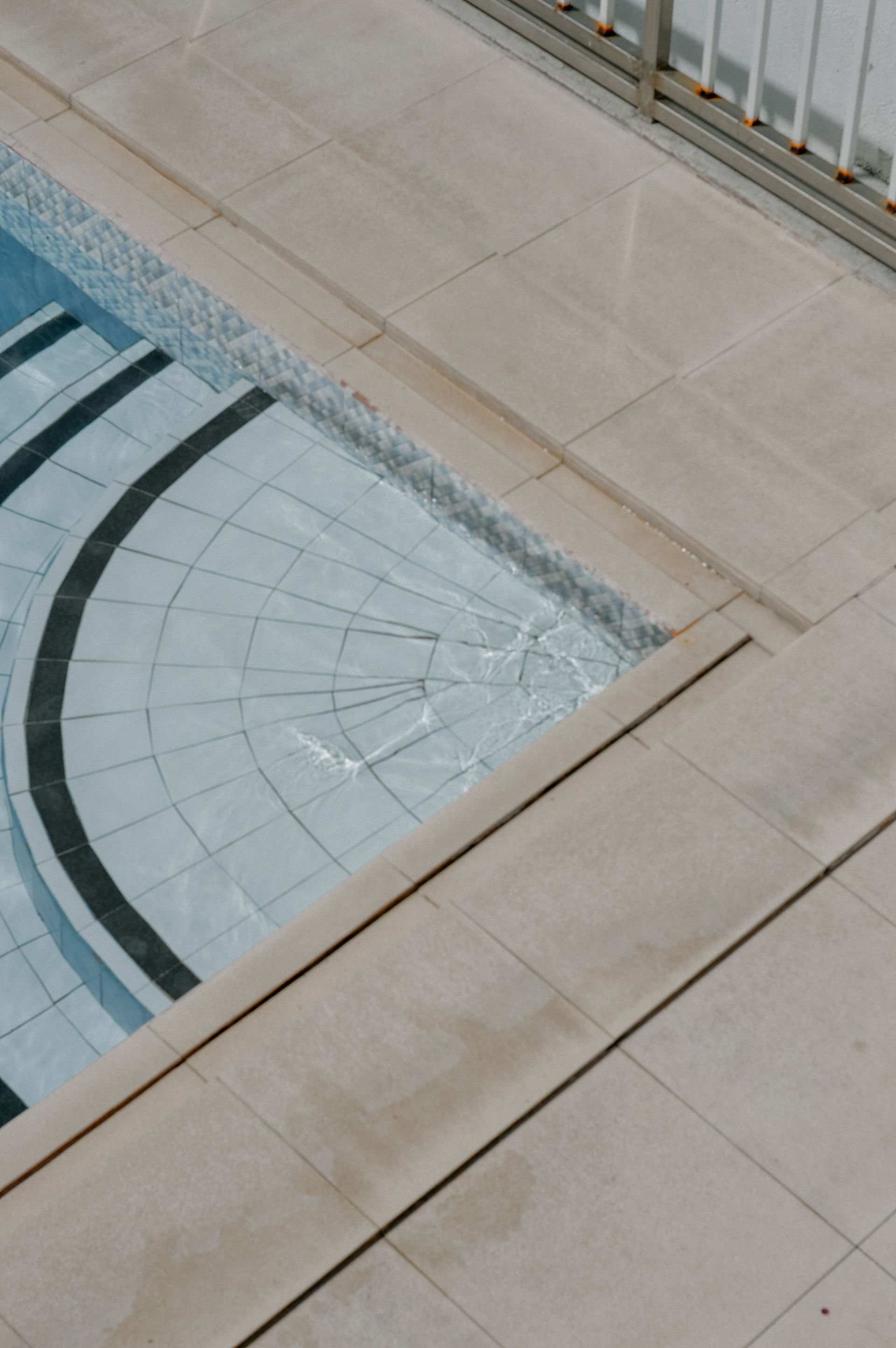
Calcium deposits form a white crust along the waterline where evaporation concentrates minerals, and this buildup obscures tile color while creating rough surfaces that scratch skin. Gilbert Pool Services cleans, replaces, and repairs pool tile when chemical residue or structural damage affects both appearance and function. Gilbert's hard water accelerates scaling compared to areas with softer water sources, which means waterline tile requires more frequent attention to prevent permanent etching.
Cleaning removes mineral deposits using methods that match tile composition—glass tile requires different approaches than ceramic or stone to avoid surface damage. Replacement addresses cracked or missing pieces that compromise the waterproof barrier between pool structure and surrounding soil, while repair work re-grouts loose sections before water infiltration causes larger structural problems.
Arrange an on-site consultation to identify whether cleaning alone will restore your tile or if replacement sections need attention.
How Tile Work Addresses Pool Deterioration
Effective tile service starts with identifying what caused the problem, whether that means aggressive cleaning chemicals that etched the glaze, ground settling that cracked grout lines, or simply years of mineral accumulation from untreated fill water. The approach changes based on diagnosis—bead blasting works for heavy calcium on durable surfaces, while chemical treatments suit delicate finishes, and full replacement becomes necessary when tiles have delaminated from the underlying surface.
After cleaning, you see the original tile color and pattern clearly instead of looking through a cloudy mineral film, and the surface feels smooth rather than gritty when you run your hand along the waterline. Replaced sections match existing tile in size and finish, and fresh grout creates watertight seals that prevent moisture from reaching the pool shell or bond beam behind the tile plane.
Tile longevity depends significantly on water chemistry maintenance, since balanced pH and calcium hardness levels slow new scale formation. Some older pools feature tile that manufacturers no longer produce, which requires sourcing compatible replacements or accepting slight color variation in repair sections.
What Property Owners Usually Ask
Tile questions typically focus on what causes damage and how different solutions hold up under Arizona conditions.
What creates the white buildup on pool tile?
Calcium carbonate precipitates out of solution when water evaporates, leaving behind mineral deposits that bond to tile surfaces and become harder to remove the longer they remain untreated.
How is heavy scaling removed without damaging tile?
Glass bead blasting mechanically removes deposits while staying soft enough to preserve glazed surfaces, unlike sandblasting which can pit or dull finishes on decorative tile.
When does tile need replacement instead of cleaning?
Replacement becomes necessary when tiles have cracked from structural movement, delaminated from the backing, or developed such deep etching from acidic water that the surface texture cannot be restored through cleaning alone.
Why does grout fail between pool tiles?
Constant wet-dry cycles and chemical exposure break down grout over time, especially when initial installation used standard grout instead of epoxy formulations designed for submerged applications in chemically treated water.
How can future scaling be prevented in Gilbert?
Maintaining calcium hardness between 200 and 400 ppm and using a sequestering agent helps keep minerals dissolved in solution rather than precipitating onto surfaces, though some buildup remains inevitable with the local water supply.
Gilbert Pool Services
evaluates your specific tile condition to recommend cleaning, repair, or replacement based on what will actually solve the underlying problem. Schedule an assessment to see what approach makes sense for your pool's current state.