
Heater Installation
Comfortable Water Temperature on Demand
Heater Installation in Gilbert for pools used during cooler months or early morning hours
Gilbert's mild winters allow for year-round pool use, but water temperatures drop enough during cooler months to make swimming uncomfortable without supplemental heating. Installing a gas or electric pool heater extends the swimming season and makes early morning or evening use more appealing by raising water temperature to a comfortable range regardless of ambient air temperature. Gilbert Pool Services installs heaters compatible with existing pool systems, ensuring proper gas line or electrical connections, venting for combustion models, and integration with circulation and filtration equipment for safe, efficient operation.
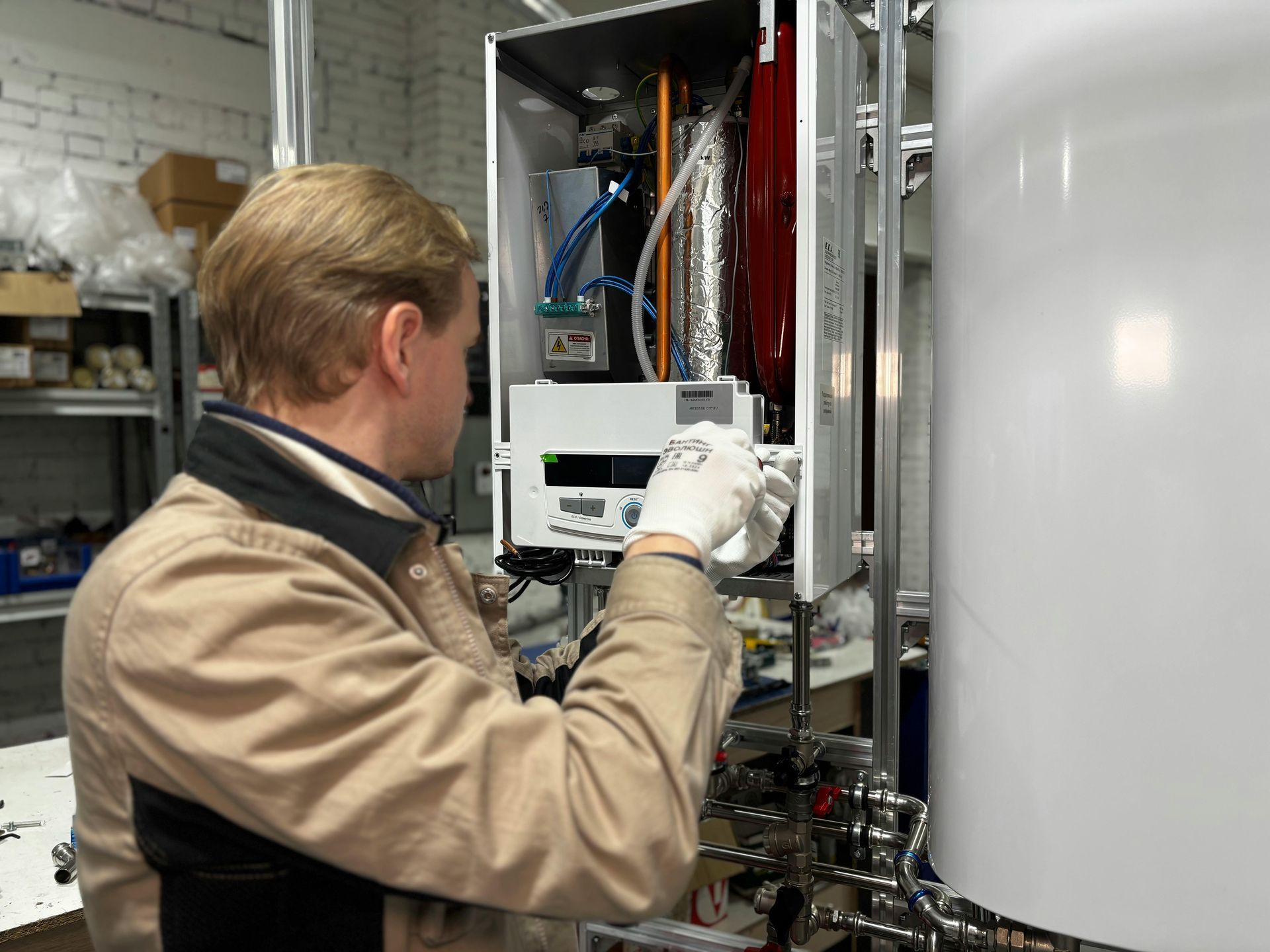
The installation process involves positioning the heater near the pool equipment pad, connecting it to the pool's return plumbing downstream of the filter, and establishing the fuel source through either natural gas line extension, propane connection, or dedicated electrical circuit depending on heater type. Gas heaters also require proper venting to exhaust combustion gases safely, while heat pumps need adequate airflow around the unit to transfer heat efficiently.
Arrange a site evaluation to determine which heater type suits your pool size, usage pattern, and available fuel sources.
What Proper Heater Setup Involves
Heater installation begins with confirming that the gas line or electrical service can support the heater's fuel demand without overloading existing infrastructure. Gas heaters require BTU input that matches pool volume and desired heating speed, while electric heat pumps need sufficient amperage and proper breaker sizing to handle startup load. The heater mounts on a stable pad with clearance for airflow and service access, and plumbing connections include unions for easy removal during future maintenance.
Once the heater is operational, you control water temperature with a thermostat that cycles the heater on when the pool drops below your set point and off when the target temperature is reached. Gas heaters raise water temperature quickly, making them well-suited for occasional use or rapid heating after cool nights, while heat pumps operate more slowly but cost less per BTU over extended heating periods, making them better for maintaining consistent temperatures throughout the season.
Heater installation does not include modifying existing circulation schedules or upgrading undersized pumps, so if your pool's flow rate is insufficient to support the heater's minimum flow requirements, circulation equipment may also need adjustment or replacement. Proper flow ensures the heater operates safely without overheating or shutting down due to low-flow protection mechanisms.
Questions Before Starting Your Project
Pool owners considering heater installation typically want to understand fuel options, operating costs, and performance expectations before committing to a system.
What is the difference between gas heaters and heat pumps?
Gas heaters burn natural gas or propane to heat water quickly regardless of air temperature, while heat pumps extract heat from ambient air and transfer it to the pool water, making them slower but far more energy-efficient in moderate climates like Gilbert's.
How long does it take to heat a pool to a comfortable temperature?
Gas heaters can raise pool temperature by 10 to 15 degrees in a few hours depending on heater size and pool volume, while heat pumps may require 24 to 48 hours to achieve the same increase, though maintaining temperature once reached requires far less energy.
Will a heater work during Gilbert's winter months?
Gas heaters operate effectively even in cold weather, while heat pumps lose efficiency as air temperature drops below 50 degrees, so gas models are better suited for heating during the coolest weeks of the year when heat pumps struggle to extract sufficient warmth from the air.
What ongoing costs should I expect after installation?
Gas heaters incur fuel costs that vary with usage frequency and pool size, while heat pumps primarily add to your electric bill but at a lower cost per BTU, so your heating pattern and local fuel rates determine which option costs less over time.
Can a heater be added to an existing pool system without major modifications?
Most pools can accommodate heater installation with minor plumbing adjustments to integrate the unit into the return line, though gas line extension or electrical panel upgrades may be necessary depending on available infrastructure at the equipment pad.
Gilbert Pool Services
evaluates your pool's volume, existing equipment capacity, and available fuel sources to recommend a heater type and size that fits your usage goals and budget. Request a consultation to review installation requirements and compare operating costs for different heater models suited to your pool.