Chlorine Wash
Deep Cleaning That Reaches Embedded Contamination
Chlorine Wash in Gilbert for pools with persistent algae and organic buildup
Pools that develop algae blooms or bacterial films that resist standard shock treatments require a chlorine wash to reach contamination embedded in the plaster surface. Gilbert Pool Services uses a concentrated chlorine-based solution applied directly to drained pool surfaces, which oxidizes organic material and kills algae spores that have penetrated into the porous plaster. This treatment addresses contamination at a level that circulating chlorine in filled pools cannot reach, particularly in pools that have been neglected or exposed to prolonged algae growth.
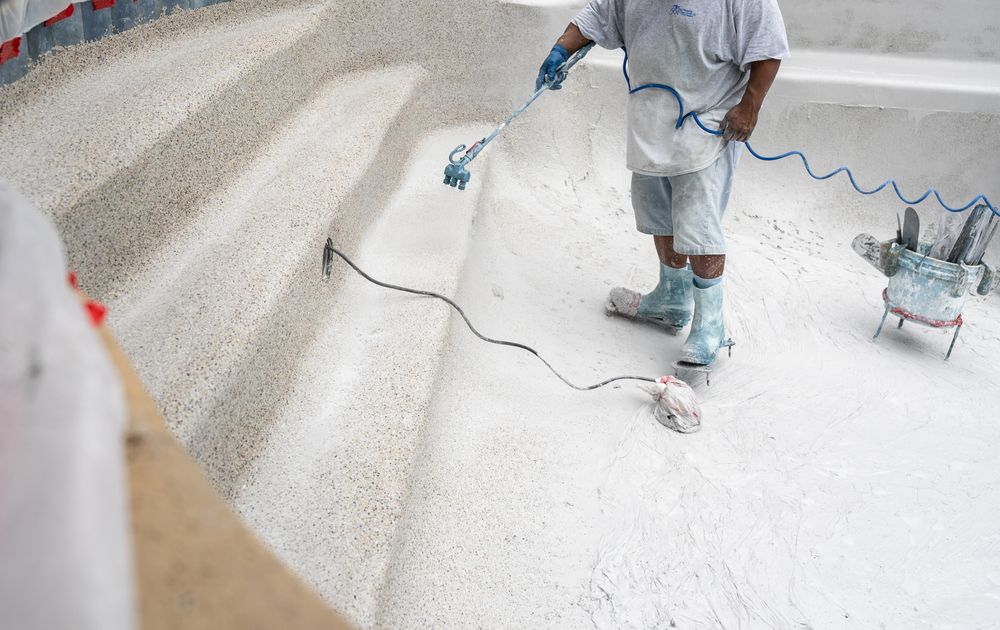
The process involves draining the pool, preparing a high-concentration chlorine solution, and applying it to the interior surfaces with brushes to work the solution into the plaster texture. The chlorine remains on the surface long enough to oxidize embedded organic material, then gets neutralized and rinsed away completely before refilling.
Arrange a pool evaluation to determine whether chlorine washing will restore your water clarity and surface sanitation.
How Chlorine Treatment Addresses Organic Contamination
Chlorine wash solution is mixed to a concentration significantly higher than pool shock levels, then applied in sections to ensure even coverage across all submerged surfaces including steps, benches, and walls. The solution sits long enough for the oxidation reaction to break down algae cells, bacteria, and organic films, turning them into inert particles that rinse away rather than remaining embedded in the plaster.
Once the treatment is complete and the pool is refilled, water clarity improves noticeably because the source of recurring contamination has been removed from the surface. Algae blooms take longer to return because spores embedded in the plaster have been killed, and routine chlorine levels maintain cleaner water without the constant battle against recontamination from the walls and floor.
Chlorine washing is less aggressive on plaster than acid washing, making it a better choice when staining is primarily organic rather than mineral-based. It does not remove plaster material or alter surface texture, so it can be performed more frequently without concerns about thinning the finish, though proper water chemistry maintenance after treatment reduces how often the service is needed.
Common Questions About This Service
Homeowners dealing with recurring algae problems often have specific questions about chlorine wash effectiveness.
What is the difference between chlorine wash and acid wash?
Chlorine wash targets organic contamination like algae and bacteria using oxidation, while acid wash removes mineral stains and discoloration by etching away a thin layer of plaster, so the choice depends on whether the problem is biological or chemical.
How long does chlorine washing take to complete?
After draining, the chlorine application and dwell time typically require four to six hours, followed by neutralization and rinsing, with refilling beginning the same day or the following morning depending on scheduling.
Will chlorine wash prevent algae from returning permanently?
The treatment kills existing algae and embedded spores, but algae can reintroduce through airborne spores, debris, or poor water chemistry, so maintaining proper chlorine levels and filtration after the wash keeps surfaces clean long-term.
Does Gilbert's monsoon season affect when chlorine washing should be scheduled?
Dust storms and heavy organic debris from monsoons introduce higher contamination loads into pools, so scheduling a chlorine wash after monsoon season or following a severe algae bloom clears out the buildup before cooler months when pool use and chemical vigilance often decrease.
Can chlorine washing improve water balance issues?
The treatment removes organic films that interfere with chlorine effectiveness and pH stability, so after a chlorine wash, regular chemistry adjustments hold more consistently and require less corrective chemical addition.
Gilbert Pool Services
inspects pool surfaces and water history to recommend whether chlorine wash or another treatment approach will address the specific contamination pattern affecting your pool. Contact us to review your pool's condition and schedule the appropriate service.