
Pool Pump Replacement
Circulation Restored to Design Performance
Pool Pump Replacement in Gilbert for systems showing reduced flow or motor failure
A pool pump that no longer moves water at the volume needed to support filtration and chemical distribution leaves the pool cloudy, unevenly treated, and more prone to algae growth. Gilbert Pool Services installs high-efficiency replacement pumps that restore proper circulation, improve filtration performance, and reduce energy consumption compared to older single-speed models. When a pump motor burns out, makes grinding noises, or fails to prime, replacement becomes necessary to maintain water quality and prevent damage to other system components that rely on consistent flow.
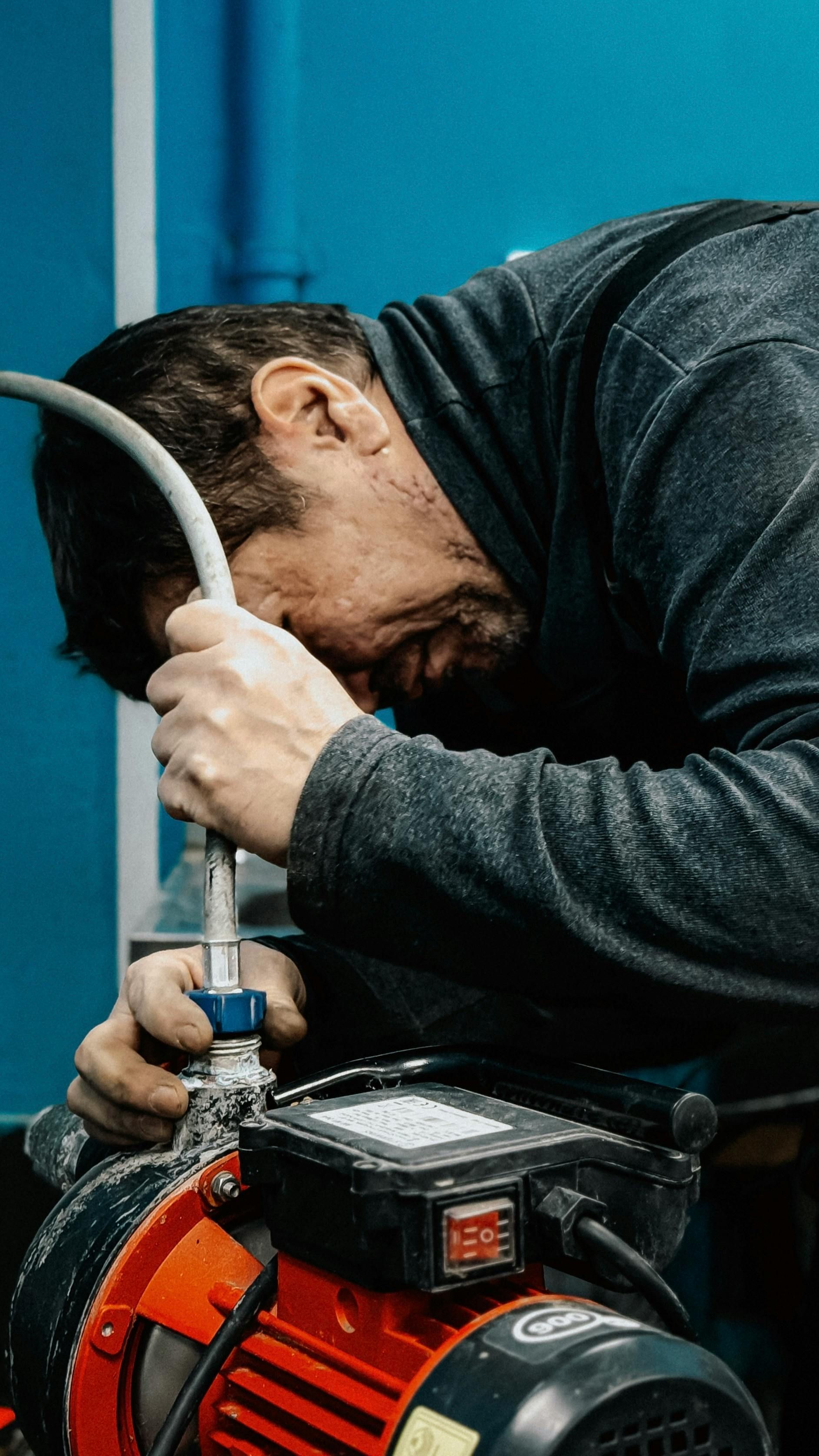
The installation process involves disconnecting the old pump, removing it from the pad, installing the new unit with proper plumbing connections, and verifying that the pump primes correctly and delivers the flow rate required by your filter and pool volume. Variable-speed pumps can be programmed to run at lower speeds during routine circulation, using a fraction of the energy a single-speed pump consumes while still meeting filtration turnover requirements.
Schedule a pump evaluation to determine whether replacement or repair will restore your system's circulation capacity.
What You Notice Once the New Pump Is Operational
After a new pump is installed, water movement through the filter increases to the level needed for effective debris removal, so the pool clears faster after storms or heavy use. Return jets produce stronger, more consistent flow, which improves chemical mixing and reduces dead zones where debris and algae can settle. Variable-speed pumps operate more quietly than older models, particularly at lower speeds, so the constant hum that characterized older equipment becomes far less noticeable.
Energy costs drop when replacing an old single-speed pump with a variable-speed model because the new pump runs at lower RPMs during most of the day, drawing significantly fewer watts while still turning over the pool volume required to maintain clarity. The pump also runs cooler, which reduces the thermal stress that shortens motor life and leads to premature bearing or capacitor failure.
Pump replacement does not include filter cleaning or valve upgrades unless those components are also failing, so if poor circulation persists after the new pump is installed, the issue may lie in clogged filter media, closed valves, or blocked return lines. A system evaluation before replacement identifies whether other components need attention to fully restore circulation performance.
What Property Owners Usually Ask
Homeowners facing pump failure often have questions about replacement timing, compatibility, and performance improvements.
What are the signs that a pump needs replacement rather than repair?
If the motor housing is cracked, the shaft is seized, or the motor has burned out multiple times, replacement is more cost-effective than ongoing repairs, whereas a single capacitor or seal failure on an otherwise functional pump can usually be repaired.
How much energy do variable-speed pumps save compared to single-speed models?
Variable-speed pumps can reduce pump-related energy use by 50 to 75 percent because they run at lower speeds that require exponentially less power while still meeting circulation requirements, which translates to hundreds of dollars in annual savings in Gilbert's high-cost summer months.
Will a new pump fit the existing plumbing configuration?
Most replacement pumps are designed to match standard plumbing dimensions, but older systems with non-standard pipe sizes or unions may require adapters or minor replumbing to connect the new pump without leaks or flow restrictions.
How does Gilbert's summer heat affect pool pump lifespan?
Pumps running in direct sun or poorly ventilated equipment pads experience higher operating temperatures, which accelerates motor wear and capacitor degradation, so shading the equipment area or ensuring adequate airflow extends replacement intervals.
What size pump is appropriate for my pool?
Pump sizing depends on pool volume, filter type, and desired turnover rate, with most residential pools requiring a pump that can circulate the entire volume in six to eight hours, though undersized or oversized pumps create filtration and energy efficiency problems.
Gilbert Pool Services
reviews your pool's volume, existing plumbing, and filtration requirements to recommend a replacement pump that matches your system's needs without overspending on unnecessary capacity. Contact us to assess your current pump's condition and discuss replacement options that improve efficiency and performance.