Pool Light Replacement
Safe Lighting Upgrades That Meet Code
Pool Light Replacement in Gilbert for fixtures that no longer illuminate or show signs of water intrusion
When pool lights flicker, fail to turn on, or display concerning moisture inside the lens, it is crucial to recognize that the fixture requires replacement to restore much-needed nighttime visibility and to mitigate potential electrical hazards. Pool lights operate underwater within sealed housings designed to maintain waterproof integrity while simultaneously handling electrical current. Consequently, any compromise in the seal poses a significant safety risk to both the pool environment and its users. At Gilbert Pool Service, trained professionals are dedicated to removing failed fixtures, installing new lights equipped with reliable waterproof seals, and meticulously verifying that all electrical connections adhere to the latest safety standards before allowing the pool to return to service.
The replacement process is thorough and methodical. It begins with de-energizing the circuit to ensure safety during the operation. If necessary, the water level will be lowered to gain access to the fixture niche. Once prepared, the team will carefully remove the old light assembly and install a new fixture that perfectly matches the niche dimensions and voltage requirements. For those looking to improve energy efficiency, we offer a variety of energy-efficient LED options that consume significantly less power than outdated incandescent bulbs while delivering brighter, longer-lasting illumination that enhances the overall aesthetics of the pool area.
To ensure your pool lighting is safe and effective, we encourage you to request a comprehensive lighting assessment. This evaluation will help identify which fixtures need replacement and allow us to discuss the benefits of upgrading to LED options, ensuring a beautiful, well-lit pool for evening enjoyment.
What Changes After New Fixtures Are Installed
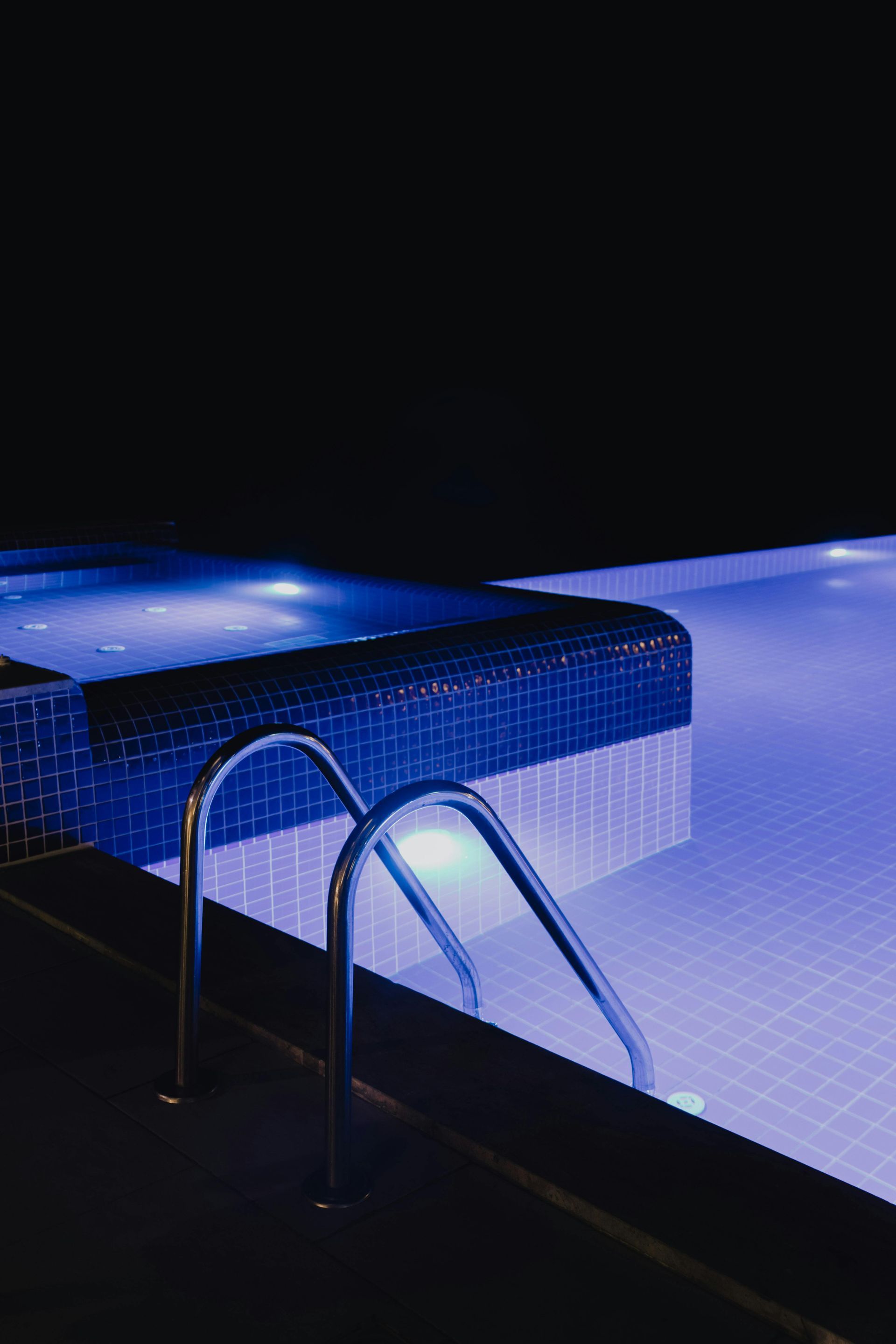
New pool lights restore even illumination across the pool area, eliminating dark zones that make nighttime swimming less safe and less appealing. LED fixtures produce a brighter, whiter light compared to the yellowed output of aging incandescent bulbs, and they draw less current, which reduces the load on your electrical system and lowers energy costs over the fixture's lifespan.
After installation, the waterproof seal prevents moisture from reaching electrical components, which stops the corrosion and short-circuiting that caused the original failure. LED lights also generate far less heat than incandescent bulbs, which reduces stress on the lens gasket and extends the time between seal failures, meaning fewer replacement cycles over the years.
Pool light replacement includes testing the ground fault circuit interrupter to confirm it trips properly if a fault occurs, verifying that the bonding wire connecting the fixture to the pool's grounding system is intact, and ensuring the conduit feeding the niche shows no damage that could allow water intrusion into the electrical pathway. These checks address safety requirements that older installations may not have met when originally built.
Answers to Frequent Service Questions
Property owners considering light replacement often want to know what the process involves and what improvements to expect.
How long do LED pool lights last compared to incandescent bulbs?
LED pool lights typically operate for 30,000 to 50,000 hours, which translates to 10 to 15 years of typical evening use, while incandescent bulbs usually fail within 2,000 to 5,000 hours or one to three years.
What causes pool lights to fail prematurely?
Water intrusion through degraded gaskets is the most common cause, allowing moisture to corrode the socket and short the bulb, though voltage surges and poor bonding can also damage fixtures and reduce their lifespan.
Can new lights be installed in older niches?
Most modern fixtures are designed to fit standard niche sizes, but older pools may have non-standard dimensions or proprietary fittings that require niche replacement or adapter hardware to accept current light models.
Does Gilbert's heat affect pool light longevity?
High ambient temperatures and intense sun exposure can accelerate gasket deterioration on pool lights, so fixtures in Arizona often require more frequent seal inspections than those in cooler climates to catch failures before water intrusion occurs.
Will replacing the light require draining the pool?
In most cases, water level only needs to drop below the light niche, which requires removing several inches to a foot of water depending on niche depth, though full drainage is unnecessary unless multiple repairs are being performed simultaneously.
Gilbert Pool Services
evaluates existing light fixtures, niche condition, and electrical connections before recommending replacement options that match your pool's configuration and your preferences for brightness and energy efficiency. Schedule a fixture inspection to review available upgrades and confirm compatibility with your current system.